Handle an extra order after a takeaway bill is paid
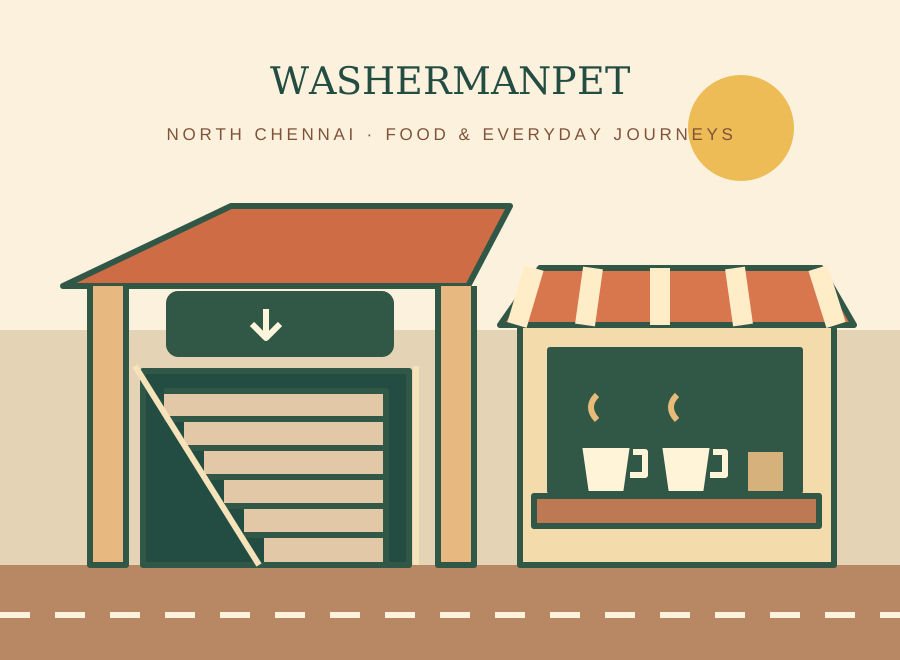
Chennai Metro’s official Washermanpet station guide lists Mint Bus Terminus and MC Street among the references for entrance B2. Use the actual restaurant street and entrance when arranging a visit: Washermanpet and New Washermanpet have separate station entries, so a station name alone is not enough. Our original underground-station and food-counter illustration is symbolic, not a photograph, an exact station drawing or a claim of a business inside the station. DeccanPro restaurant visits are by arrangement.
Local reference: Chennai Metro: Washermanpet entrances and local references. Use the restaurant exercises below with your own menu.
Start with a clearly settled practice order
Outside service, create a fictional takeaway order A with two meals at Rs.100 each. Its item subtotal is Rs.200 before configured adjustments. Follow the demonstrator’s supported training-payment procedure; do not make a real payment for this exercise. Record the order reference, settled amount and collection status. A paid bill does not establish that the parcel has already been handed over. Keep the two facts separate before introducing the next request.
Identify the returning guest’s new request
Have a colleague ask for two coffees at fictional Rs.25 each after order A is settled. The fresh item subtotal is Rs.50. Ask the cashier to repeat the request and establish which parcel the guest is collecting. A receipt copy for A is not a new food order, while two coffees require fresh preparation. Do not use a duplicate of the original two-meal order merely to obtain another kitchen ticket.
Demonstrate the supported additional-sale procedure
Ask how the installed setup records this extra purchase. If it uses a new order B, identify both references in the agreed staff handoff and keep the original settled record intact. If another authorised correction procedure is proposed, inspect how it preserves the original payment and records the new amount before accepting it. This exercise does not claim automatic order linking, permission to reopen a paid bill or a particular adjustment button. The cashier must be able to explain what changed and why.
Send only the two coffees for preparation
Use paper dish cards instead of preparing food during the rehearsal. The kitchen should receive the instruction for two coffees, not another two meals. Ask a second staff member to find the pending meal parcel and identify the fresh drinks without help from the first cashier. If the drinks and meals are handed over at different times, record each handoff using the restaurant’s supported process. A combined carry bag must not erase the distinction between the original order and the additional purchase.
Reconcile both purchases before the guest leaves
For the simplest new-order example, A has Rs.200 settled and B has Rs.50 to collect: the combined item value is Rs.250, but the outstanding item amount is only Rs.50. Treat taxes and any other configured adjustments separately. Record the additional payment against the appropriate current reference, then verify that neither the Rs.200 payment nor the two meals was duplicated. At shift handover, have another cashier explain both references and the collection status. Bring an anonymised paid-parcel example and your actual correction policy to the Washermanpet demonstration.
Prepare your Washermanpet demo
- Original paid order reference and collection status identified
- New request is two coffees only
- Supported additional-sale procedure demonstrated
- Kitchen receives no duplicate meal instruction
- Fictional Rs.200 settled plus Rs.50 extra reconciled
- Additional payment assigned to the correct reference
- Incoming cashier can explain both purchases